
James D. Cessor (Jefferson County)
State House: 1872-1877
Born: c. 1835 in Mississippi
Died: December 26, 1887 in Washington, D. C.
At age 25, Cessor (misspelled Saucer) is recorded as a free man of color on the 1860 census in Port Gibson, Claiborne County, already known as a saddler by trade. He was living in a household with other free men and women surnamed Bolton and Harris. There were more African American Cessors living free nearby in Adams County.
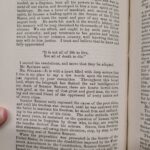
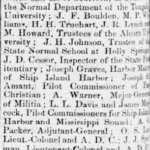
Cessor appears on the 1870 census in Rodney with wife Laura and children. By 1880, the family had moved to Ocean Springs, where Cessor continued his work as a saddler and also served as a tax collector. According to the Social Security application of Cessor’s daughter, Roberta (1872-1944), her mother’s maiden name was Laura Ellis.
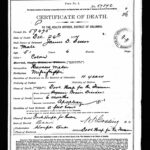
According to his death certificate, Cessor died of “organic brain disease” and apoplexy, at the Government Hospital for the Insane (now St. Elizabeths Hospital) in Washington, D. C., on December 26, 1887, and was buried on the hospital grounds. The death certificate says he had been living in D. C. for four years and gives his age as “51 years 6 months.”
Links:
Memorial on Find A Grave
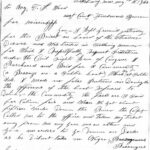
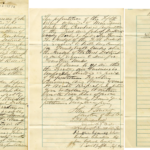
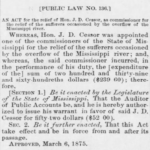
“A native of Mississippi, Cessor was one of the state’s few free blacks before the Civil War. He was an expert saddler and harness maker, considered one of the finest craftsmen in the state. In 1866, he complained to military authorities [see letter below] after he had been evicted from the cabin for which he had purchased a ticket on a river steamboat and had to spend the trip on the deck. His treatment, he insisted, violated the recently enacted federal Civil Rights Act. In 1869, Cessor was appointed marshal and alderman in Rodney by General Adelbert Ames, and he represented Jefferson County in the state House of Representatives, 1872-77.”
(Eric Foner, Freedom’s Lawmakers: A Directory of Black Officeholders during Reconstruction, 1993)
“James D. Cessor, the longtime black Republican legislator, also fled the county, hiding out in Louisiana until the [1876] election passed. Like Howard, he eventually left the region and took a federal appointment, moving to Ocean Springs, Mississippi, on the Gulf Coast to work as an internal revenue collector and agent.”
(Justin Behrend, Reconstructing Democracy: Grassroots Black Politics in the Deep South after the Civil War, 2015)


This page was last updated on May 20, 2026.